Understanding Jueteng: A Popular Numbers Game in the Philippines
Jueteng may be an unfamiliar term to some, but in the Philippines, it represents more than just a game of chance. It is a deeply rooted aspect of cultural and social fabric, one that involves not just players and operators but intertwines with economic and political narratives. Utilizing the keyword phfun, this exploration delves into the nuances of jueteng and its impact on Filipino society.
The Origin and Mechanics of Jueteng
Jueteng is a numbers game that has been a part of the Philippines' history for over a century. Its origin traces back to the Spanish colonial era when gambling activities were often used as a means of entertainment. The game involves players choosing a set of numbers from a range, often from 1 to 37, from which the winning numbers are drawn twice daily.
The mechanics are straightforward. A bettor selects a combination, which can vary in length and pays a specific amount per bet. Depending on the wager, winning bettors can receive prizes that are several times the original amount paid. However, unlike lotteries that operate under government regulation, jueteng is largely unsanctioned and illegal, yet it operates openly across many regions.
Why Jueteng Persists Despite its Illegality
Despite efforts by authorities to clamp down on jueteng activities, the game persists with resilience. The enduring presence of jueteng can be attributed to several social and economic factors. It provides not only recreation but also a glimpse of hope to the economically marginalized sectors, offering them a chance to significantly improve their financial status, albeit through illegal means.
Moreover, jueteng thrives largely because of the intricate networks that involve both the community and figures in power. These connections often provide protection and operational freedom to the jueteng operators, allowing the game to flourish even under legal scrutiny. The game’s continuous operation is often linked to corrupt practices whereby government and local officials are accused of accepting bribes in exchange for turning a blind eye.
The Social Implications of Jueteng
In a country where poverty is prevalent, games like jueteng offer not just entertainment but also a perceived economic opportunity. This contributes to its pervasive popularity among lower-income groups who are perpetually seeking avenues to supplement their limited income.
From a societal perspective, the widespread acceptance of jueteng has broader implications. It highlights the complex relationship between legality, morality, and economic necessity. Additionally, it raises questions about the adequacy of governmental policies in addressing deeper societal issues such as poverty and unemployment. These are significant push factors that make such illegal means attractive to those who are most vulnerable.
The Political Dimension of Jueteng
Jueteng is not just about gambling; it is a critical piece in the political landscape. Politicians sometimes leverage proceeds from jueteng to fuel their political campaigns, making it a double-edged sword in the arenas of both economics and politics. Campaign financing derived from jueteng profits can significantly tilt electoral advantages, rendering political contests unfair.
This clandestine financial support creates a cycle where politicians might feel obligated to protect jueteng operations in reciprocity, fostering an environment that discourages legal enforcement against such activities. Consequently, attempts to eradicate jueteng are often complicated by political interference.
Efforts to Combat Jueteng and Their Challenges
Despite its deep-seated presence, there have been multiple attempts to counteract jueteng at various governmental and organizational levels. Initiatives have ranged from increasing public awareness about the negative community impacts of illegal gambling to more stringent law enforcement actions targeting operators and bettors alike.
One significant step has been the implementation of legal gaming options such as the Small Town Lottery (STL) by the government, intended to draw bettors away from illegal operations by offering a similar gaming structure under legal parameters. However, challenges remain in convincing the populace to transition to legal options, particularly when illegal alternatives maintain a lower price point and higher potential rewards.
The Economic and Cultural Role of Jueteng
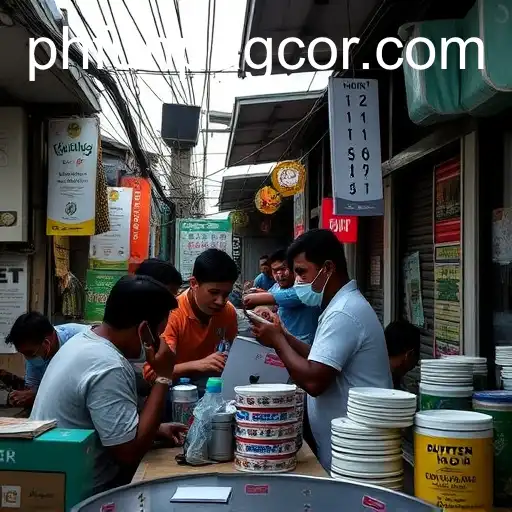
Jueteng’s role extends beyond a simple gambling activity; for many, it is ingrained in local culture and community. The operators, known as "cobradors," are often trusted community members who facilitate bets and payout winnings. This connection fosters a strong sense of community trust and reliance.
Economically, jueteng serves as a source of livelihood for many. From operators to those indirectly benefiting from its allied activities, the reach of jueteng into the economic ecosystem is profound. This dependence complicates eradication efforts, as dismantling these operations without providing alternative opportunities could result in significant economic disruption for affected communities.
Conclusion
While illegal, jueteng remains an enduring social and economic fixture in the Philippines. Addressing its complexities requires more than just legal measures. It calls for a comprehensive approach that includes socio-economic development strategies to offer viable alternatives to those communities who rely heavily on such activities, paving a path towards more sustainable and legal economic opportunities.
The widespread persistence of jueteng underscores the need for robust and innovative solutions to combat the intricate web that sustains it. Only through coordinated efforts addressing root causes can there be a tangible impact in curbing this age-old game that blends both phfun and profound socio-economic implications.